


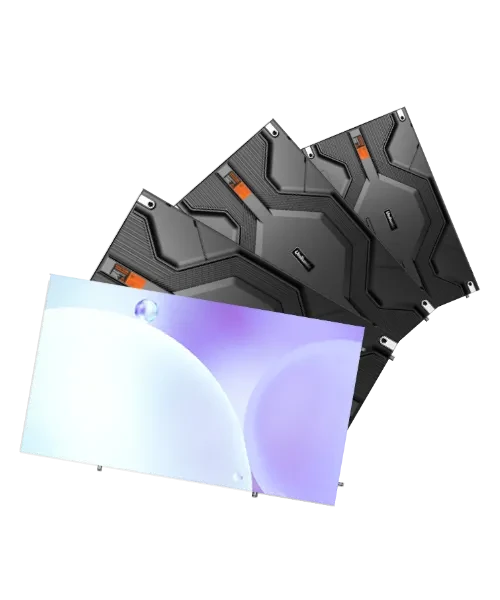
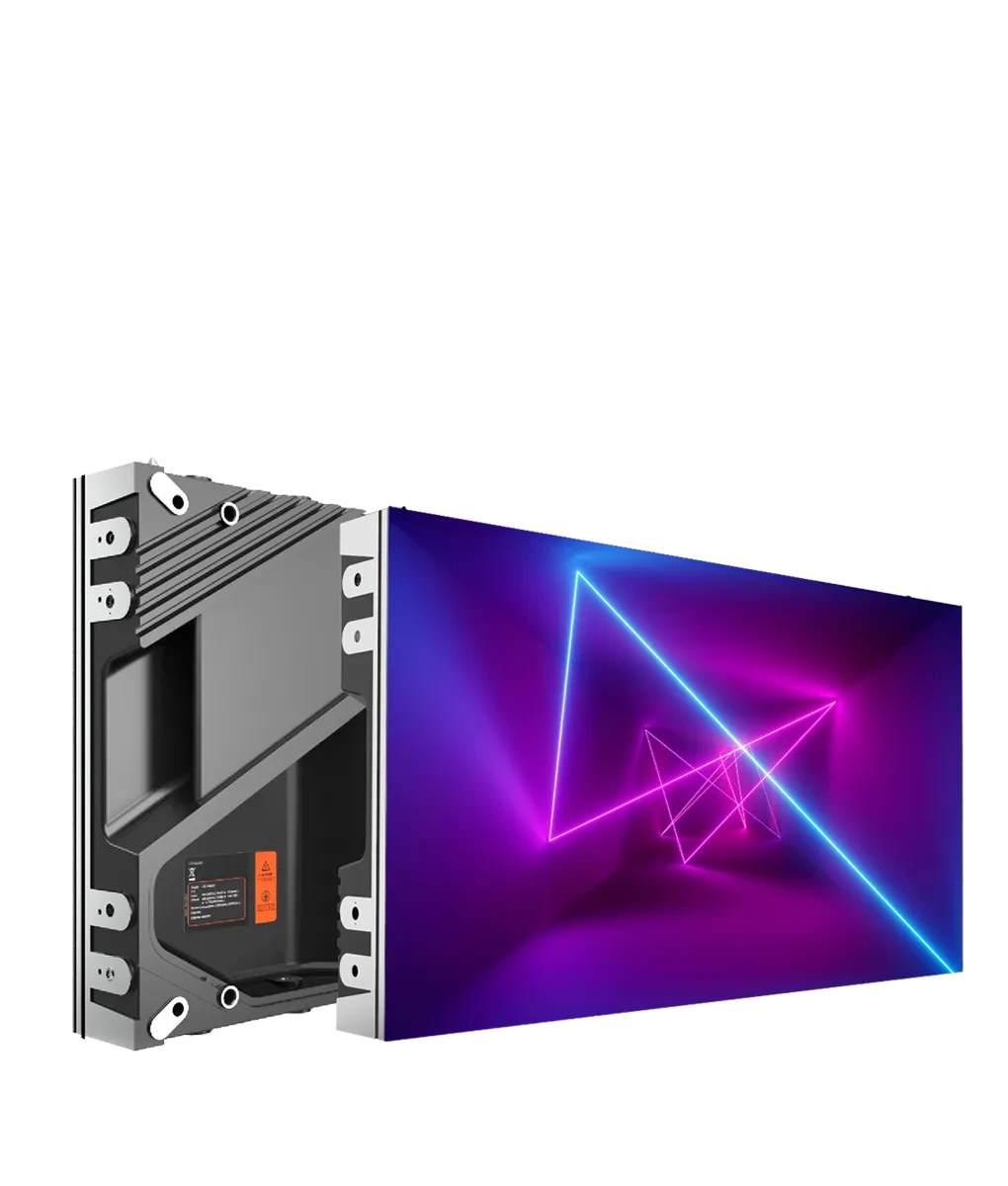


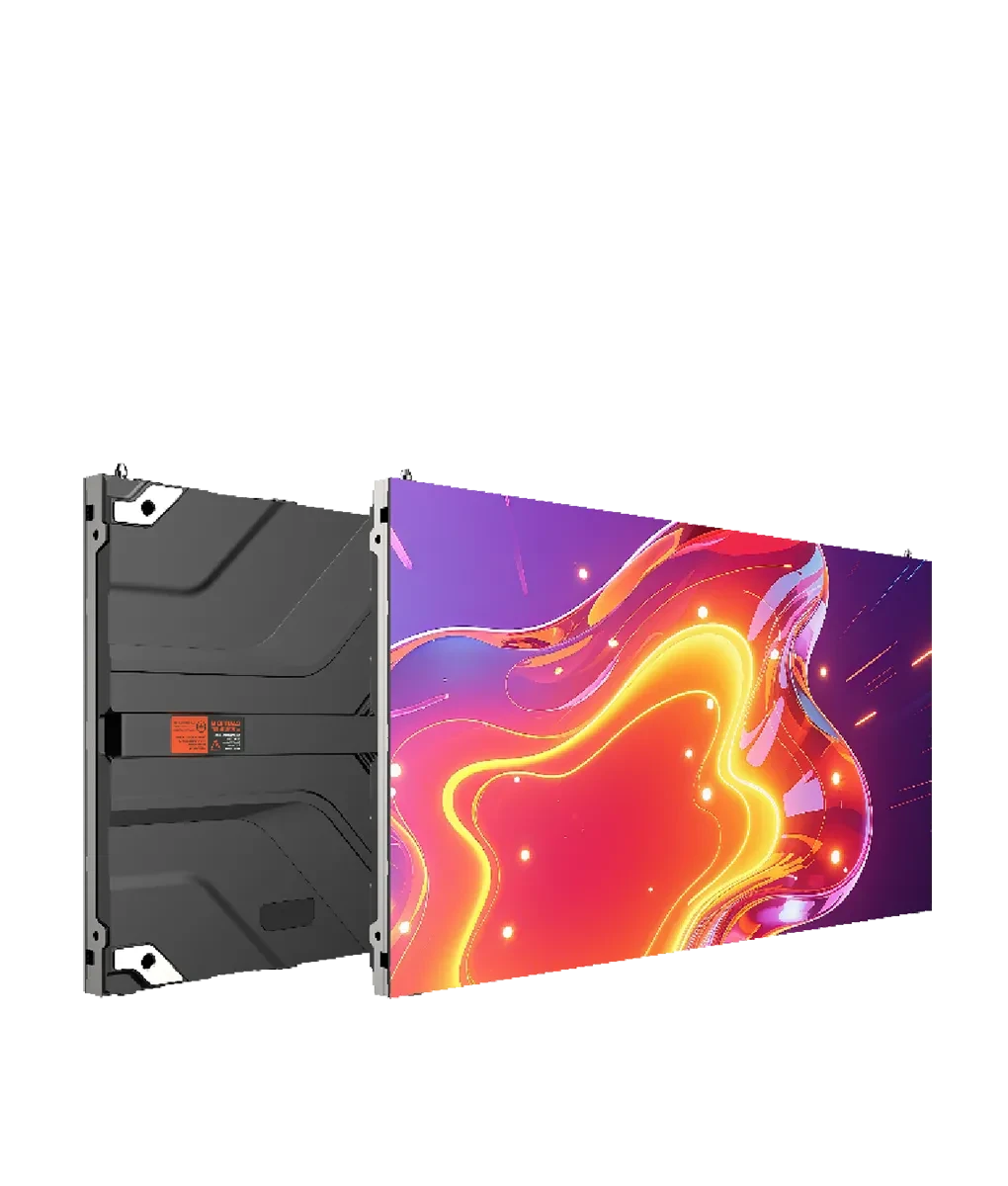
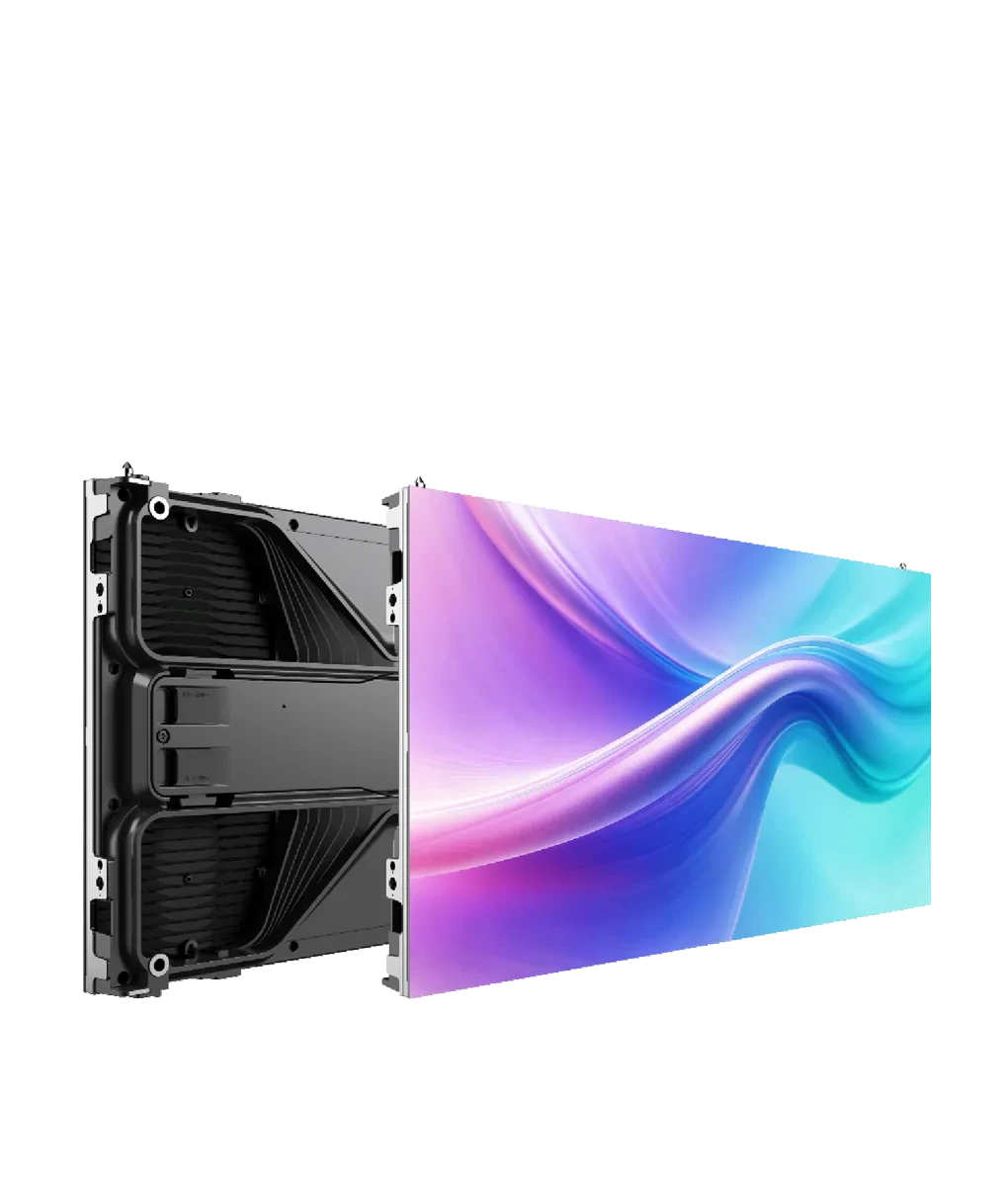

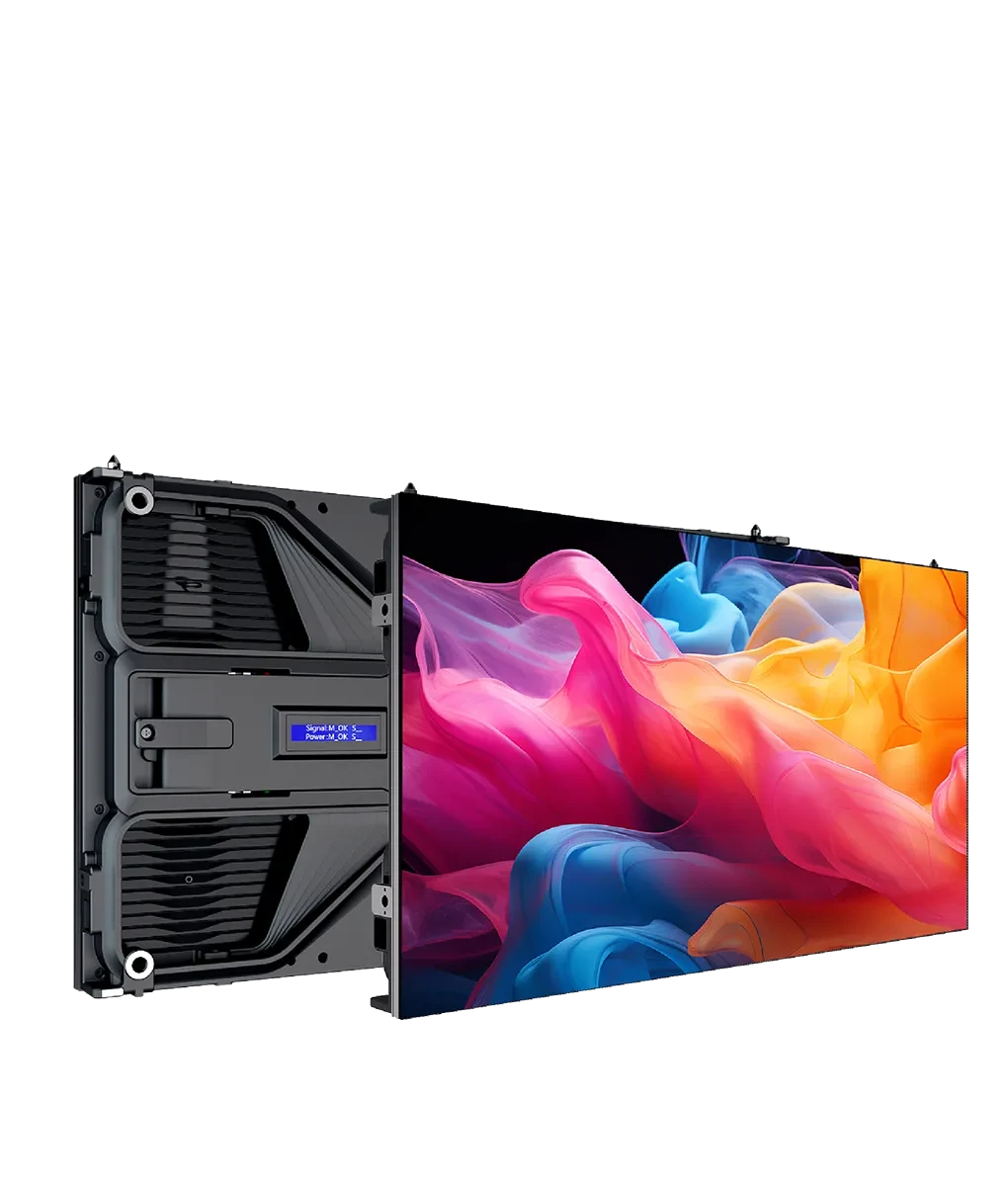


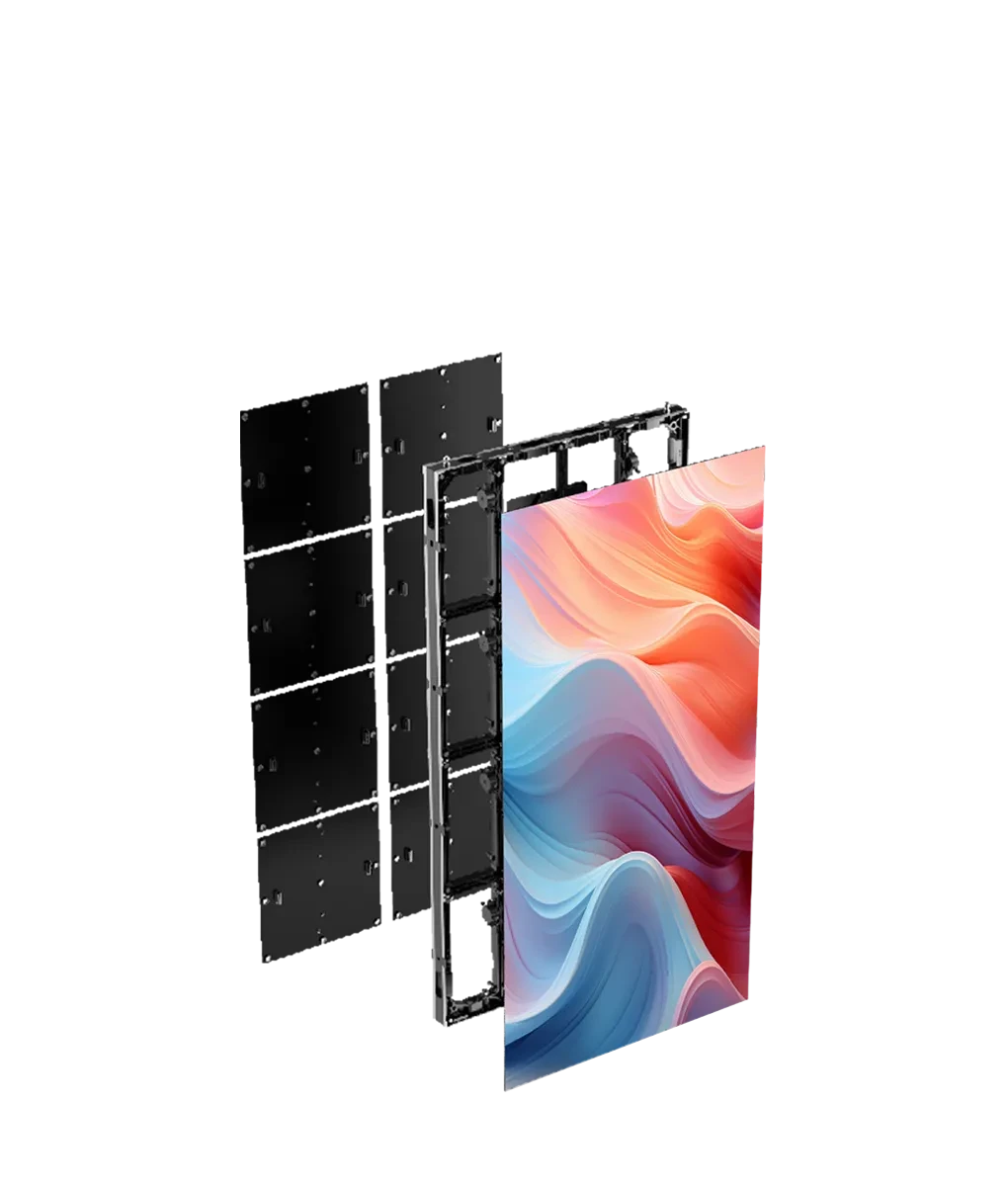


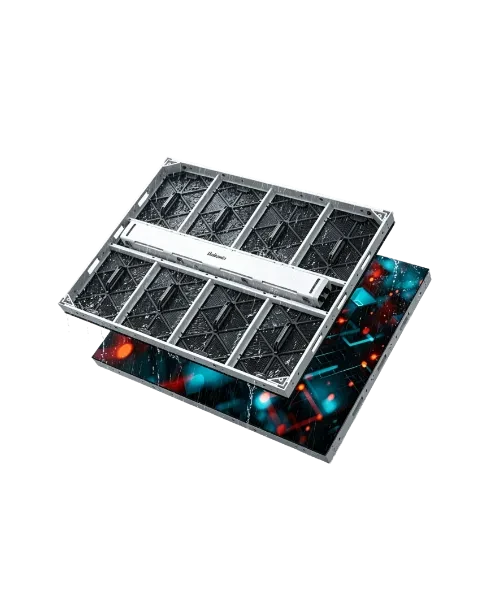


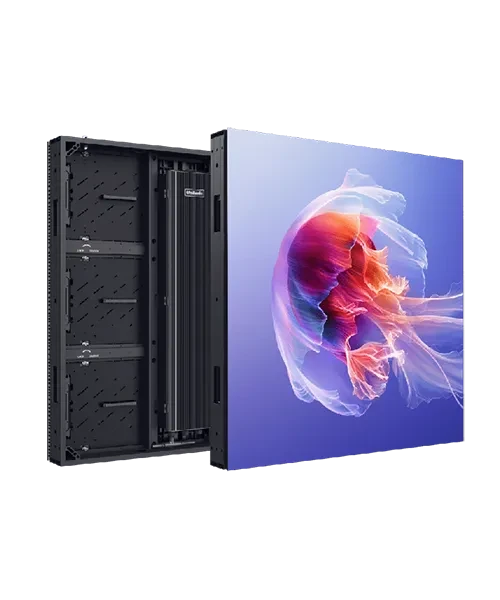










When selecting an LED video wall, most professionals focus on specifications such as pixel pitch, refresh rate, and brightness. However, what many resources overlook is that you should also check flatness when choosing a video wall. The truth is, not all modular LED displays are created the same. Some displays are simply not as flat as you may assume, and ignoring this critical factor can ruin an otherwise perfect setup.
Why Flatness is Crucial for Your LED Display
Flatness refers to the physical levelness of the screen’s surface once all individual cabinets and modules are joined together. Here’s why poor flatness is a deal breaker:
1. Poor Flatness Leads to Noticeable Dark Seams
When cabinets do not align, they create small gaps or height differences. Under ambient lighting or when displaying bright content, these physical height variations cast tiny shadows, resulting in highly noticeable dark lines or seams across the screen. This shatters the appearance of a single, continuous digital canvas.
2. Poor Flatness Causes Moiré Effects or Straight-Line Distortion
For broadcast studios, corporate lobbies, or any environment where the screen might be filmed, poor flatness confuses camera sensors and causes the visual noise known as the Moiré effect. Furthermore, if the content features grids, text, or geometric shapes, the physical bumps on the screen will cause those straight lines to look warped or distorted to the naked eye.
3. Poor Flatness Results in Color Inconsistency
LED diodes are highly directional. When a screen is not flat, the diodes on the raised or sunken sections point at slightly different angles compared to the rest of the board. As viewers walk past the screen, this angular difference causes perceived shifts in brightness and color, making the image look patchy and inconsistent.
4. LED Walls with Poor Flatness are More Prone to Dust Accumulation
Physical unevenness creates tiny ledges and crevices between LED display modules. Over time, these gaps easily trap airborne dust and debris, which can insulate heat and prematurely degrade the lifespan of the hardware.
How to Check LED Display Panel Flatness and Ensure Quality
Flatness should be part of your evaluation process from the start. Follow these steps:
1. Review Product Specifications
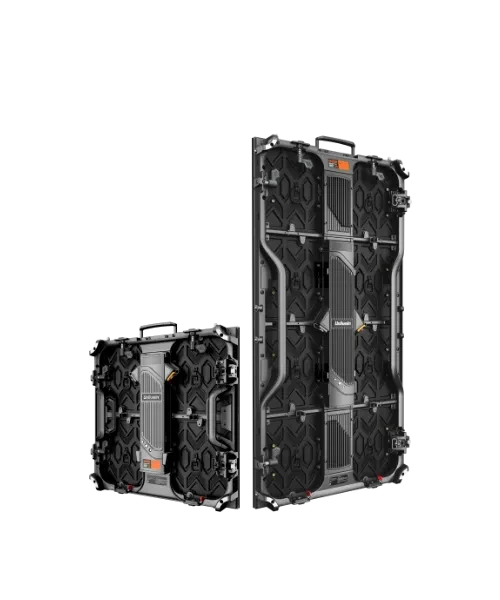
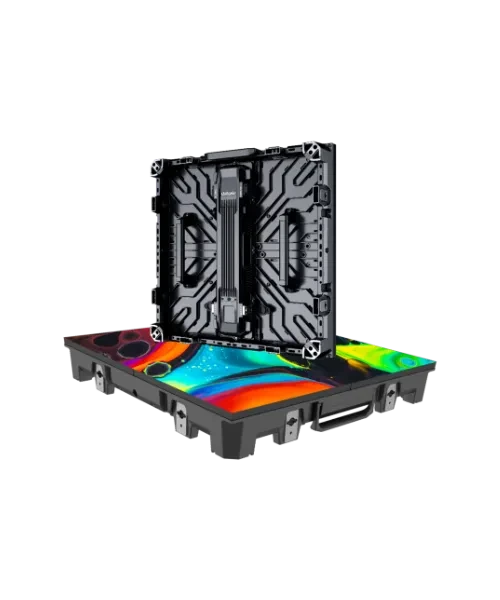
Scrutinize the manufacturing tolerances of the hardware. High-end screens utilize die-cast aluminum cabinets crafted with CNC machining to ensure high precision. Always ask the manufacturer for their official flatness tolerance data before committing to a large order.
2. Use Inspection Tools
Do not rely solely on the naked eye during the commissioning phase. Professional integrators should use specialized inspection tools such as precise feeler gauges, heavy-duty straight edges, and laser levels.
3. Ensure Professional Installation
Even the best hardware will perform poorly if installation is rushed or inaccurate. Professional installation is paramount. The mounting structure must be strictly plumb and leveled.
4. Perform Proactive Maintenance
Structural settling, thermal expansion from heat generation, and accidental physical impacts can alter a screen’s flatness over time. Perform proactive maintenance by scheduling regular visual and physical inspections. Retightening mounts and adjusting modules periodically ensures the video wall remains as pristine as the day it was first installed.
The Supplier Behind the LED Screen Matters
No amount of installation expertise can fix a poorly manufactured, warped cabinet. This is why partnering with a proven, world-class supplier is the most critical decision an AV distributor or integrator can make.
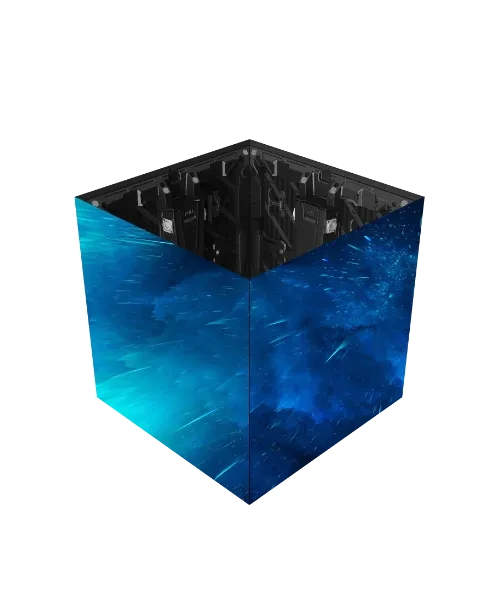
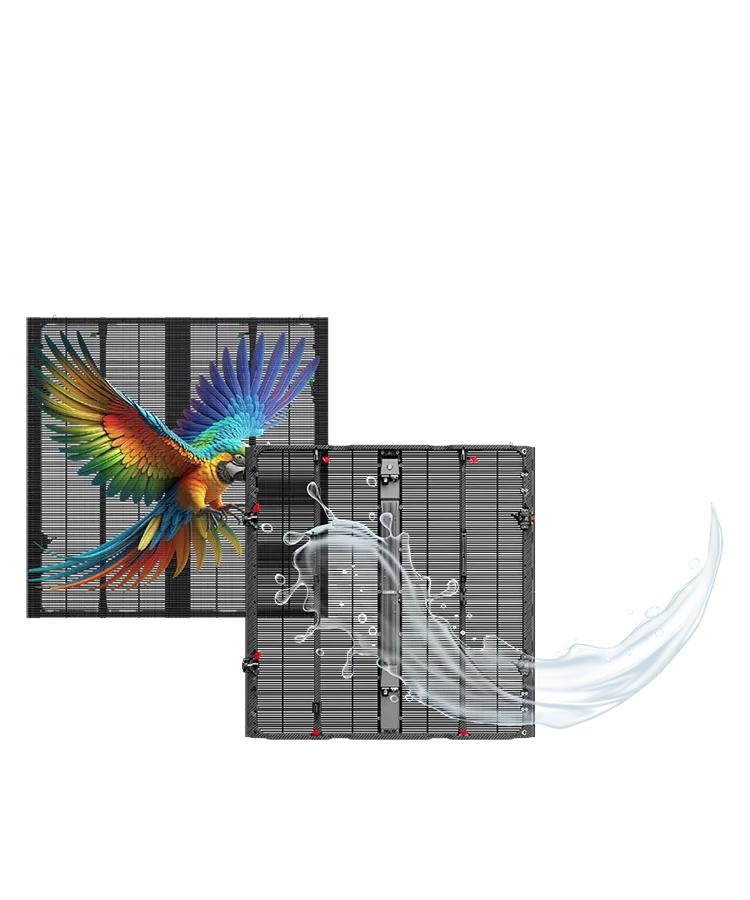
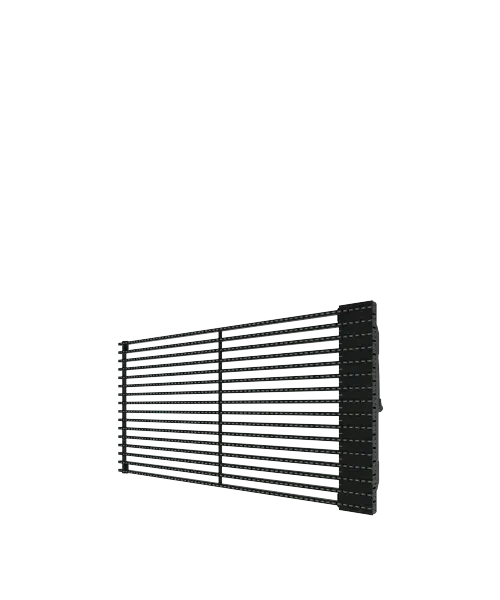
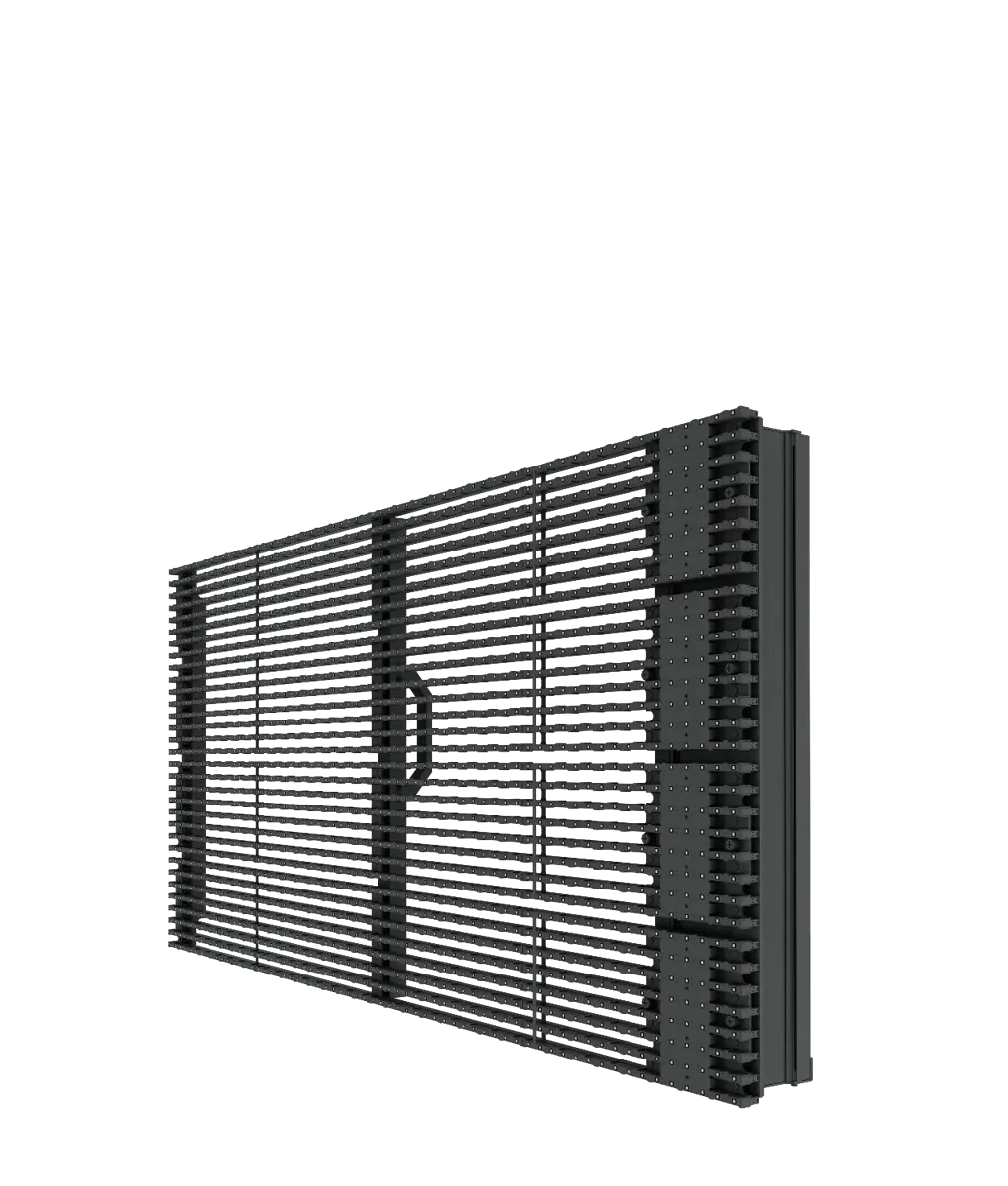
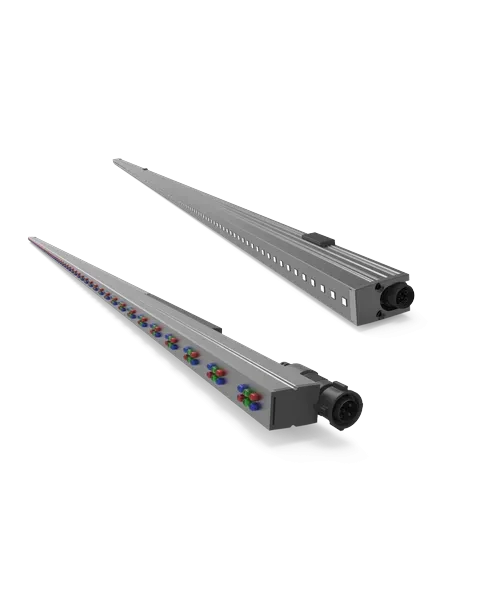
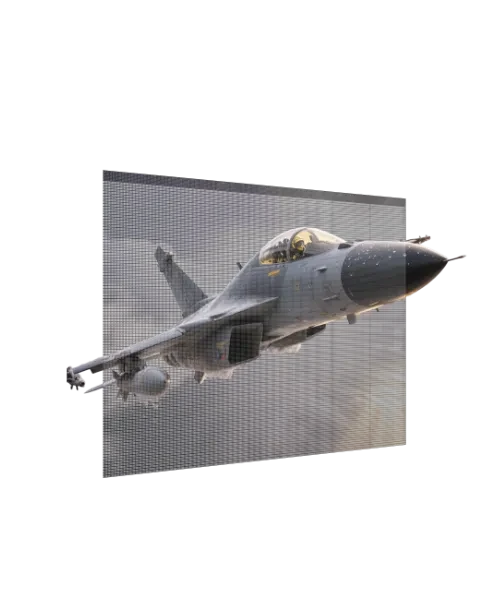
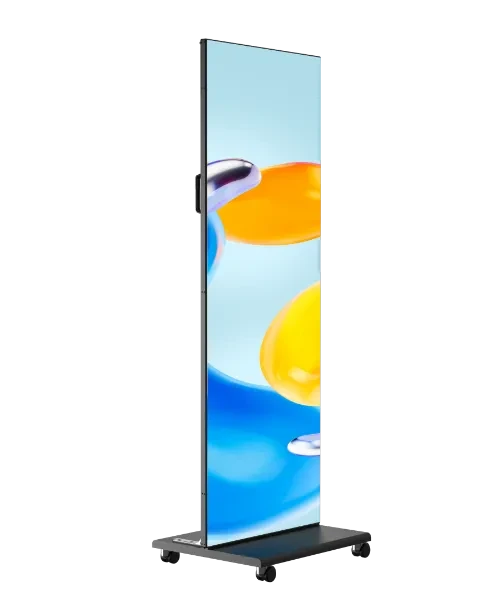
Unilumin is a globally trusted supplier of premium video walls. The Uslim S2 Double-sided LED Display, for example, is designed for high-end commercial applications where aesthetics are heavily scrutinized.
This product delivers exceptional precision. In a large-scale deployment, Unilumin achieved exceptional results: across a massive total screen area of 100 sqm, the Uslim S2 maintained an incredible flatness of less than 0.2mm. The result was a massive digital canvas that was genuinely as flat as a mirror, completely eliminating dark seams and visual distortion.
Conclusion
For professionals who want fewer installation risks and stronger project results, flatness matters more than many realize. AV professionals must prioritize mechanical flatness alongside other vital specifications when evaluating modular LED displays. Explore our proven LED display solutions today to support your next project.